
Loading Scrappy
Preparing interactive spatial analytics & data...
Loading Scrappy
Preparing interactive spatial analytics & data...
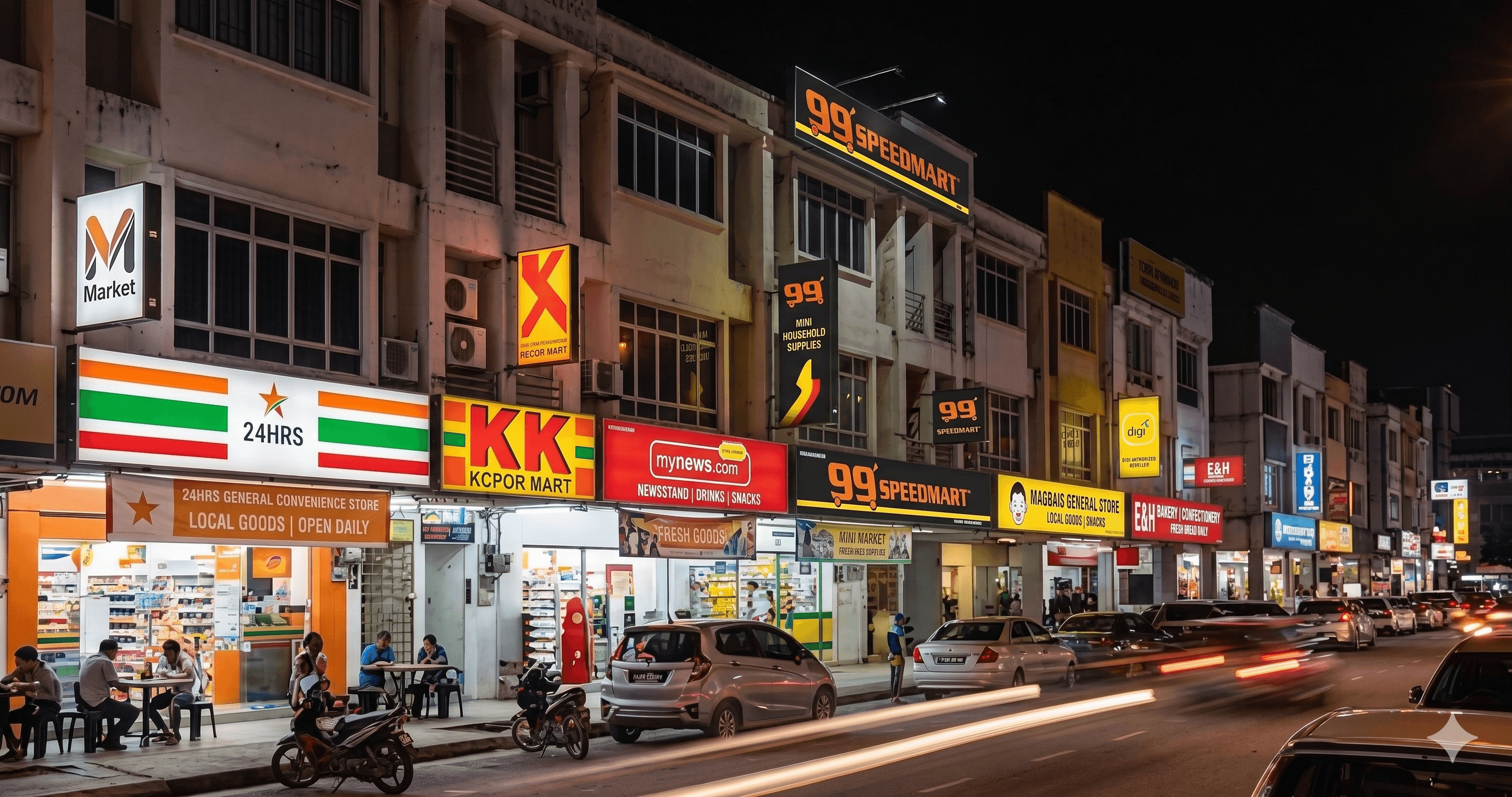
A data-driven spatial analysis of convenience store rivalry at commercial intersections and major arteries in Malaysia.
In the hyper-saturated Malaysian convenience retail sector, the execution of spatial strategy has reached a critical tipping point. 7-Eleven operates as the undisputed market leader with an omnipresent network of over 2,600 branches, while aggressive fast-followers like KK Mart relentlessly hunt for high-density urban nodes. For these retail titans, the competitive battleground is rarely hidden within residential secondary streets; it is localized entirely on the highly visible, dual-frontage corner lots of major commercial arteries.
On paper, corner lots represent the holy grail of brick-and-mortar retail, offering maximum visual exposure, multi-directional pedestrian access, and highly coveted storefront parking. However, this prime positioning comes at an exorbitant cost: commercial landlords routinely demand a massive "Corner Lot Premium," often inflating rental rates by 30% to 50% compared to adjacent intermediate units within the exact same block. Without empirical validation, committing to these premium rates based purely on aesthetic prestige introduces profound financial risk to a brand's unit economics.
Convenience operators navigating this aggressive leasing landscape are constantly vulnerable to two systemic spatial traps:
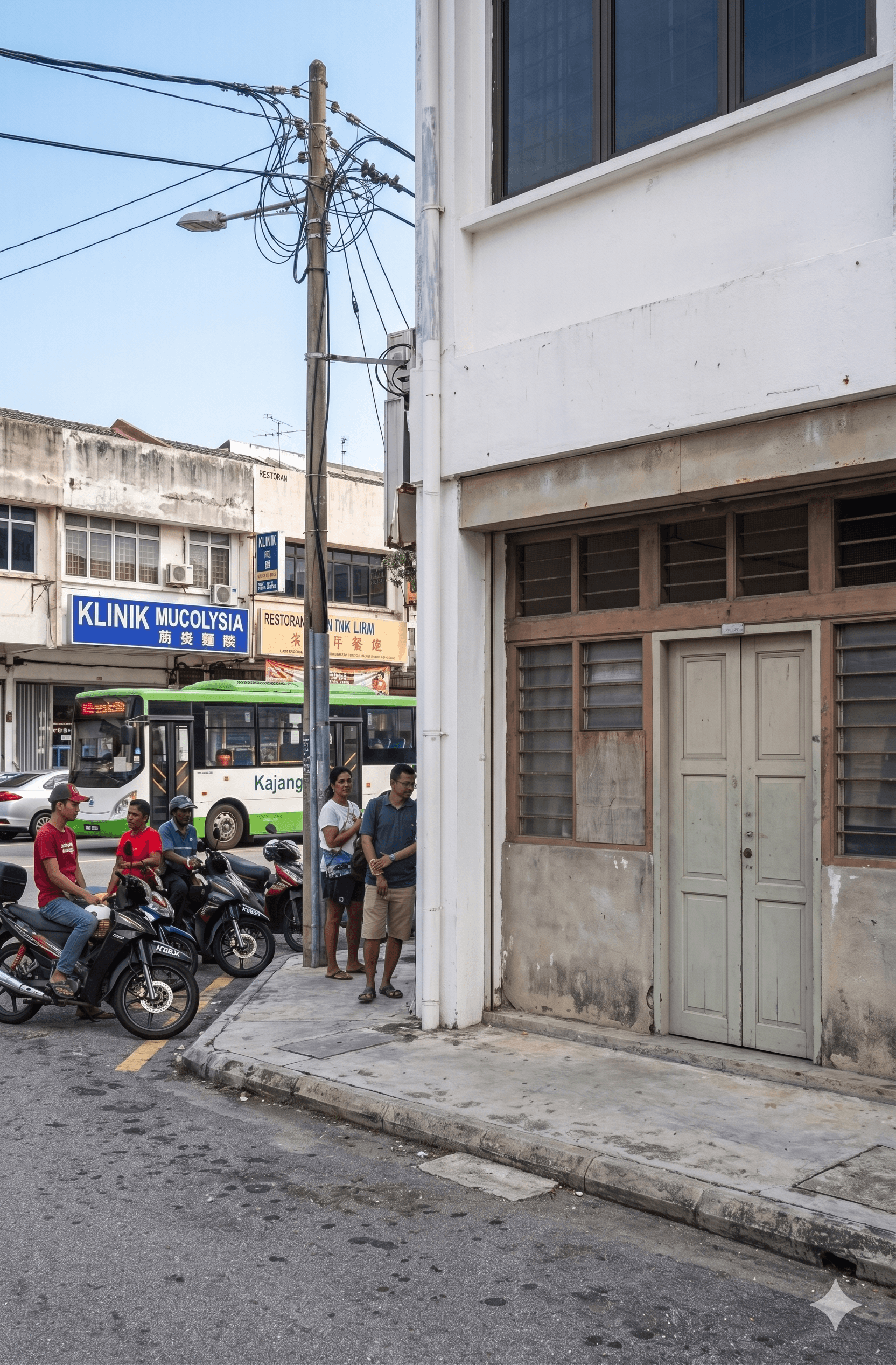
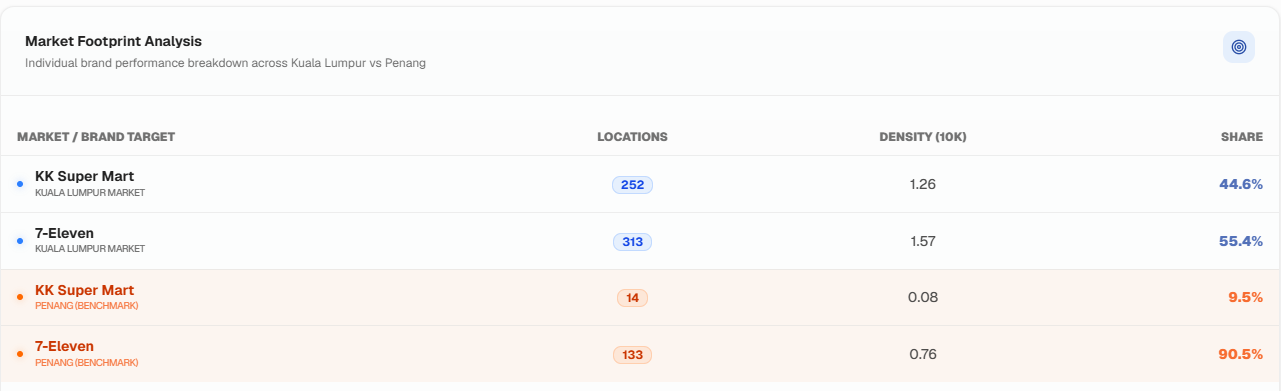
Scrappy allowed convenience operators to validate commercial layouts and competitor densities geographically rather than overpaying for corner real estate based on unverified pricing.
Load KK Mart, 7-Eleven directly into the Scrappy dashboard and explore the raw spatial data yourself.
Analyze Data Now